

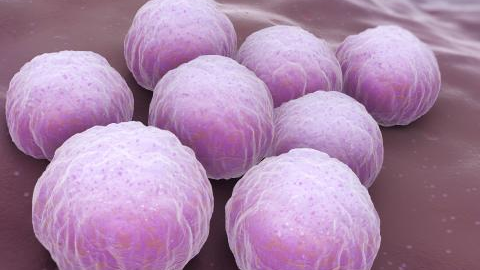
CHLAMYDIA
- One of the most common STIs is caused by bacteria.
- Chlamydia almost always has NO symptoms.
- Early treatment is crucial to prevent complications.
- Left untreated, chlamydia can lead to serious complications like pelvic inflammatory disease (PID) which can cause infertility or ectopic pregnancy.
- Highly treatable with antibiotics.
- Preventable with condoms (male and female) used consistently and correctly.
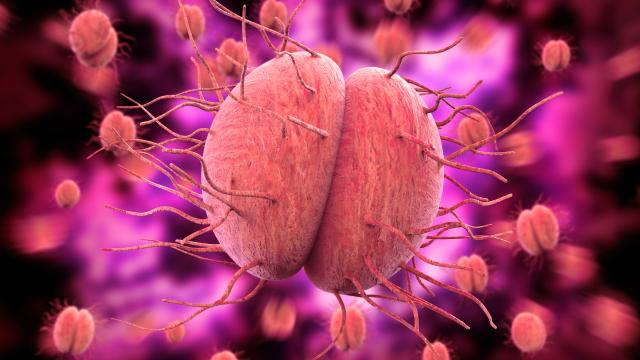
GONORRHEA
- Caused by bacteria, similar to chlamydia.
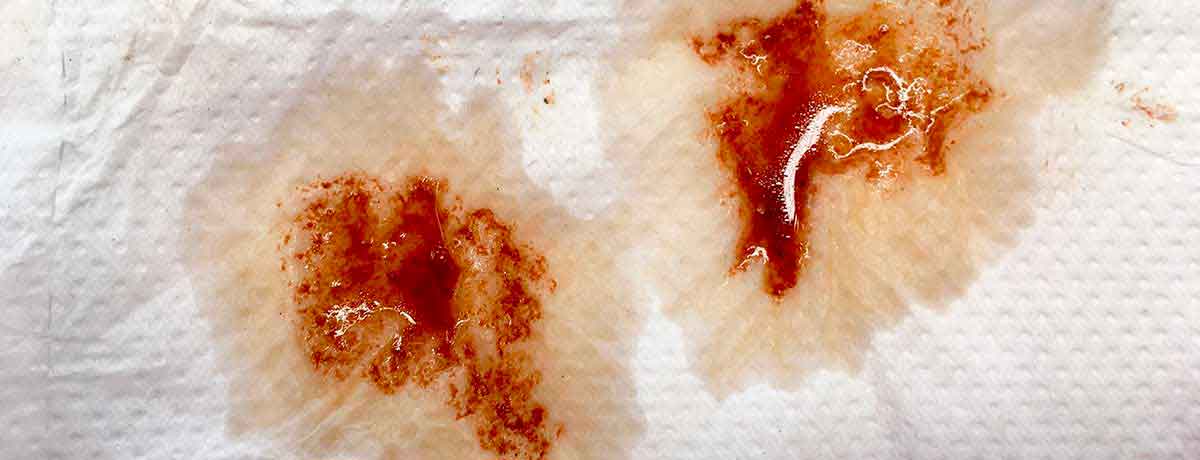
- Unlike chlamydia, gonorrhea can sometimes cause noticeable symptoms, but not always.
- Nicknamed the "silent burner" because symptoms can be mild and easily ignored (burning during urination).
- Early detection and treatment are critical to prevent serious health problems in both men and women.
- Preventable with condoms (male and female) used consistently and correctly.
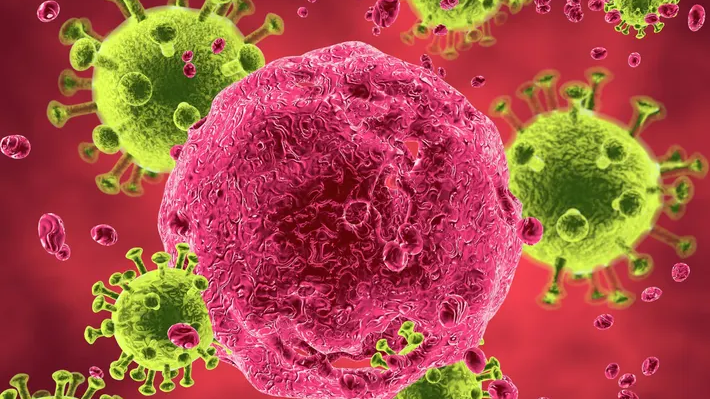
HUMAN IMMUNODEFICIENCY VIRUS (HIV)
- A virus that weakens the body's immune system, making it harder to fight off infections and illnesses.
- Unlike most STIs, HIV doesn't always have immediate symptoms. Early testing is essential for managing your health and preventing transmission.
- Highly effective treatments are available that allow people with HIV to live long and healthy lives.
- Preventable with condoms (male and female) used consistently and correctly.
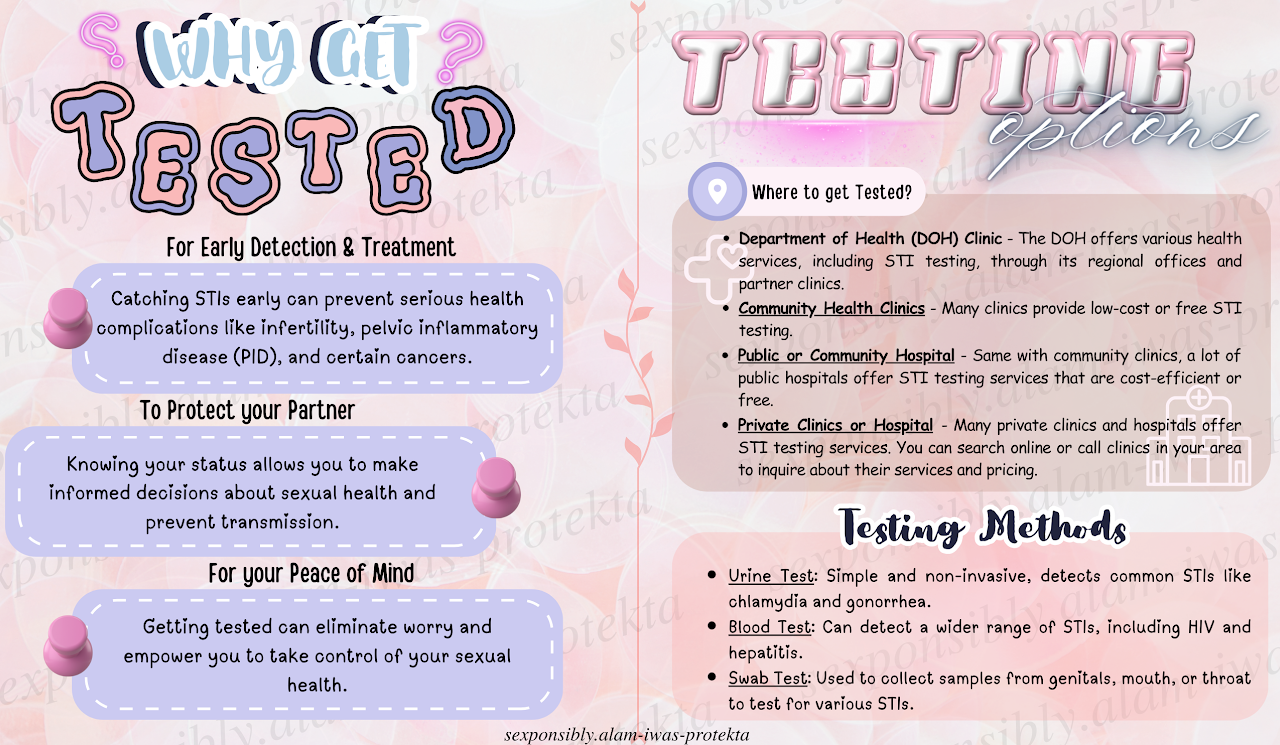
- Getting tested is the only way to know your status. There are many confidential testing options available.
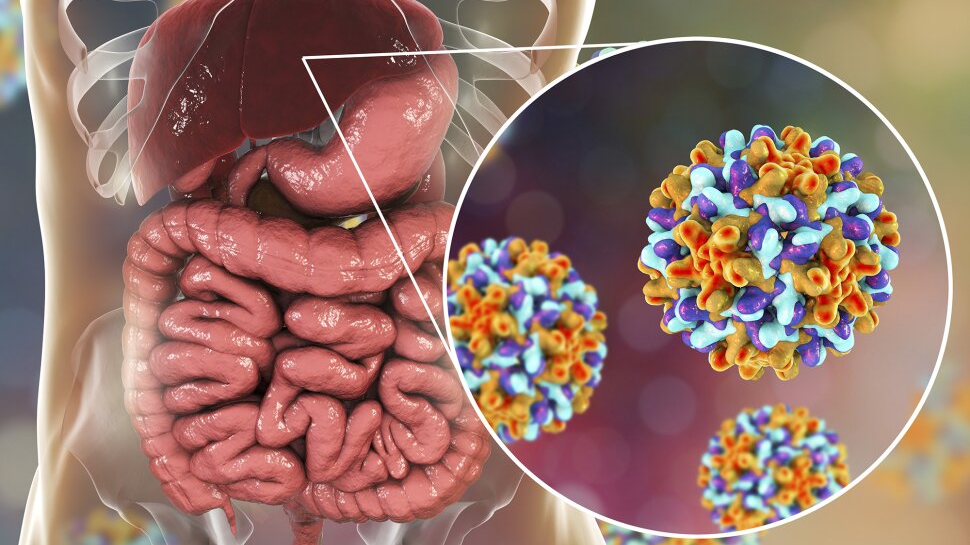
HEPATITIS B
- A virus that attacks the liver, potentially leading to long-term damage.
- Hepatitis B can be sneaky. Like HIV and chlamydia, it often has no symptoms in the early stages.
- Vaccination is the best defense against Hepatitis B.
- Although a cure doesn't exist, effective treatments can manage the virus and prevent complications.
- Safe sex practices, including condoms, are also important for preventing transmission.
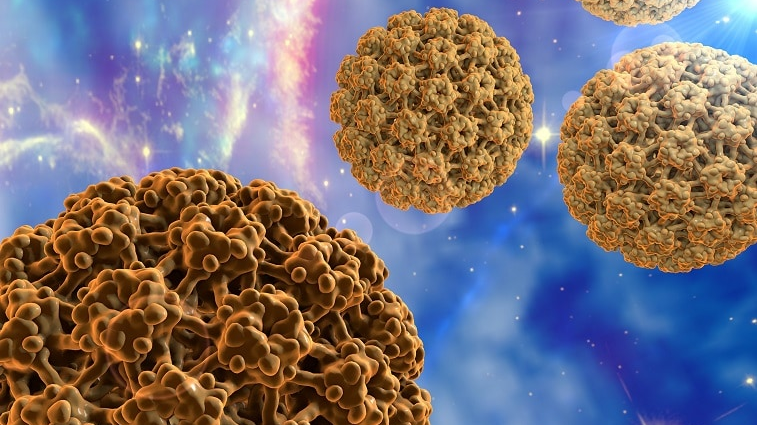
HUMAN PAPILLOMAVIRUS (HPV)
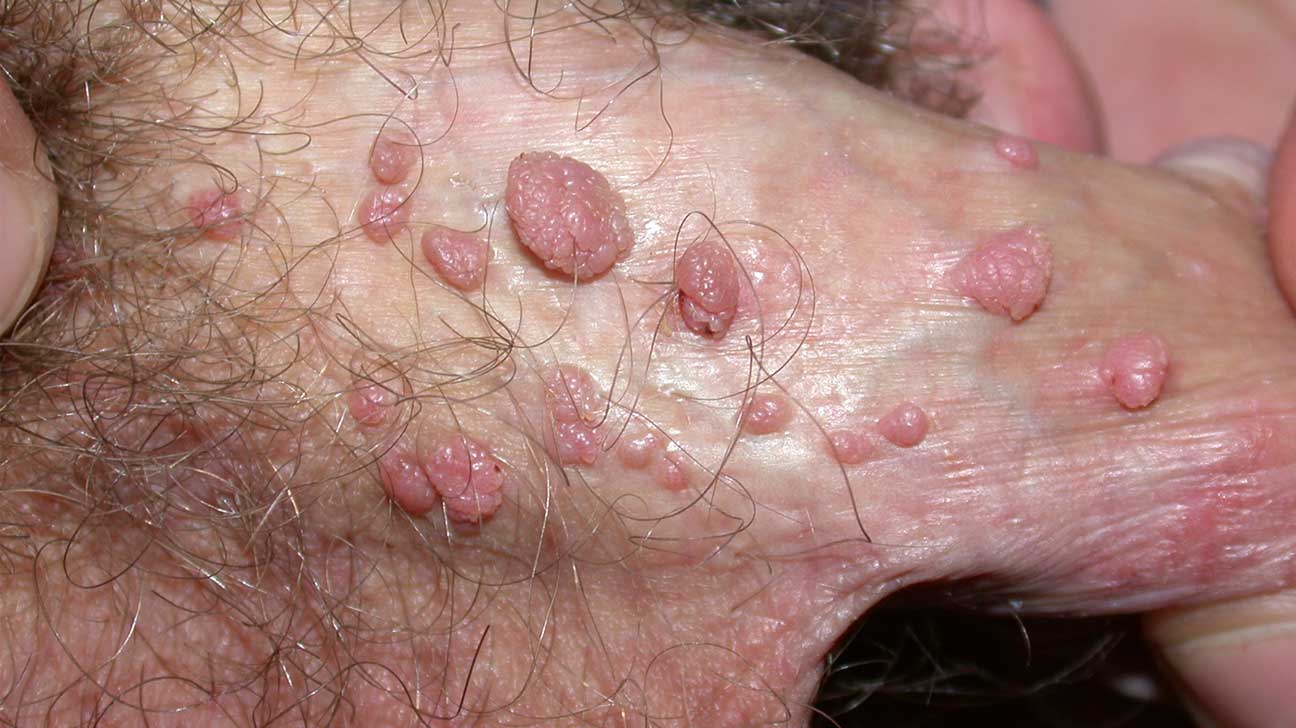
- The most common STI, passed through close skin-to-skin contact during vaginal, anal, or oral sex.
- Unlike most STIs, HPV doesn't require bodily fluids like semen or saliva for transmission.
- Different strains cause common warts or increase the risk of certain cancers.
- Vaccination is highly effective in preventing the most dangerous strains.
- Safe sex practices, including condoms, can also help reduce the risk, but they don't offer complete protection.
- Regular screenings (Pap smears for women) can detect precancerous changes caused by HPV, allowing for early intervention.
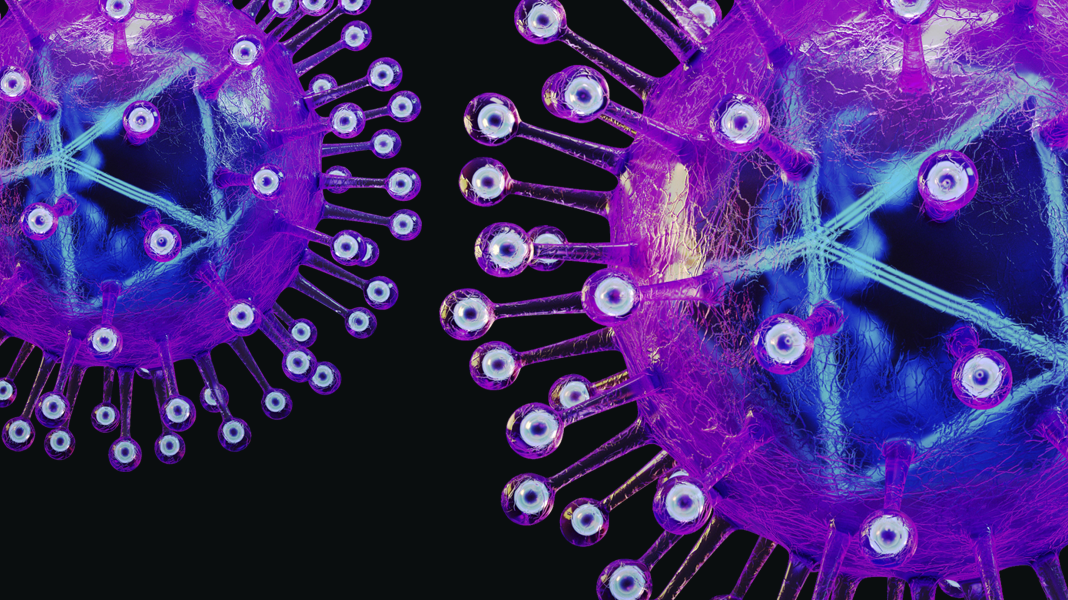
GENITAL HERPES
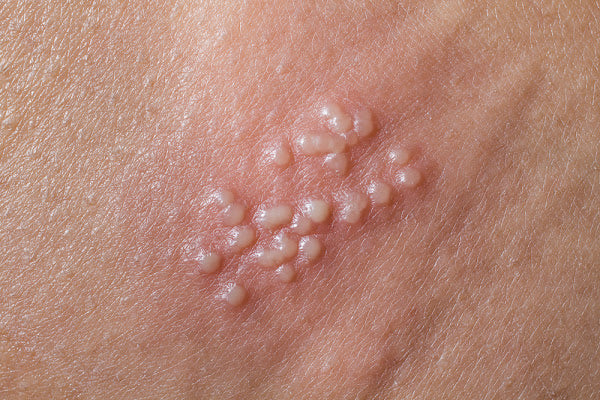
- A common STI caused by a herpes virus. It can cause outbreaks of blisters or sores on the genitals, anus, or buttocks.
- Symptoms can vary and some people may not experience any at all.
- Early testing is important for diagnosis and managing the virus.
- Effective medications can help control outbreaks and reduce the risk of transmission to partners.
- Consistent condom use can help lower the risk of spreading it, but may not provide complete protection.